
Consider the Whole Diet Before Vitamin Support
Balanced parrot nutrition combines suitable energy, protein, fats, vitamins and minerals. A vitamin product cannot correct every shortfall of a one-sided diet. Start with what makes up the main daily menu.
Inspect leftovers as well as foods offered. If a parrot selects only a few favourites, an apparently varied menu may actually be limited. Recording food offered and eaten separately gives a concrete starting point.
Source: Merck Veterinary Manual — Bird nutrition reference · VCA Animal Hospitals — Feeding and care reference
African Greys, Conures and Lories Have Different Needs
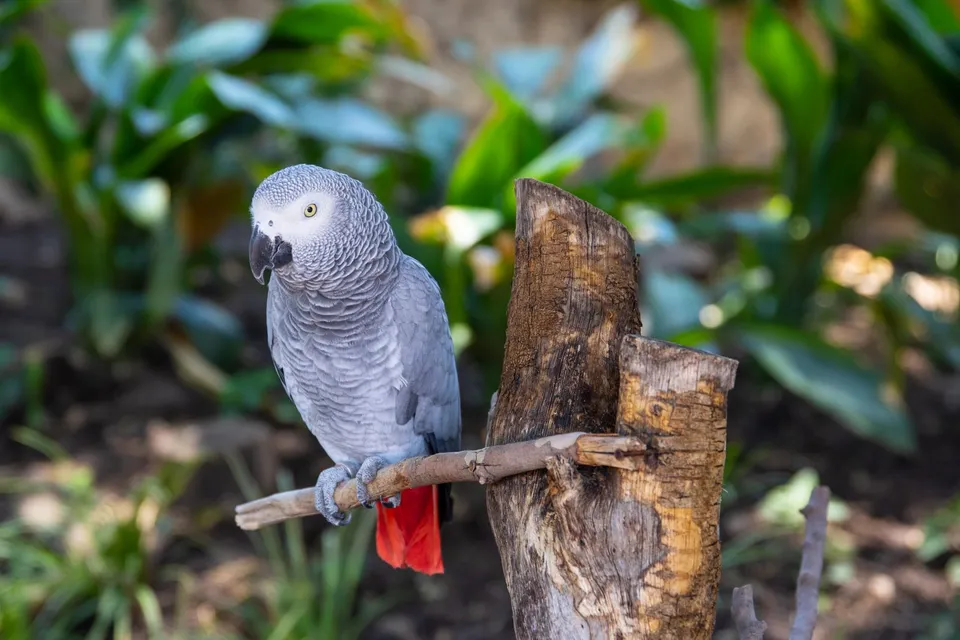
Parrots encompass diverse feeding habits. In African greys, calcium and vitamin A imbalance are concerns in seed-heavy diets. That does not mean every grey should receive the same calcium supplement.
Lories and lorikeets need special feeds adapted to nectar feeding. Do not copy a large parrot’s menu for another species simply by reducing the portion. Identify species and life stage before assessing feed or supplements.
| Group | Feeding consideration |
|---|---|
| African greys | Review calcium and vitamin A balance in seed-heavy diets. |
| Conures | Plan suitable feed and gradual dietary transitions together. |
| Lories and lorikeets | Use a formula appropriate for nectar feeding. |
| Other parrots | Assess species and life stage instead of guessing by size. |
Source: Merck Veterinary Manual — Bird nutrition reference · VCA Animal Hospitals — Feeding and care reference
Moving from Seeds to Balanced Feed
A diet dominated by sunflower seeds or a few favourites does not establish adequate vitamin and mineral intake. Balanced parrot pellets are an important option, but offering them does not confirm sufficient consumption.
Introduce unfamiliar food and monitor intake rather than suddenly withdrawing established foods. Review weight loss or marked appetite changes with a veterinarian. Different parrots may accept transitions at different speeds.
Source: VCA Animal Hospitals — Feeding and care reference · VCA Animal Hospitals — Feeding and care reference
Keep Vitamins A and D in Balance
Vitamin A, vitamin D and calcium balance are important in pet-bird nutrition. High vitamin amounts do not automatically improve care. Unnecessary excess of fat-soluble vitamins can also cause problems.
Assess feed, separate vitamins and mineral supplements together. Different product names can hide overlapping ingredients. Base decisions on current nutrition rather than a universal bottle, drop count or frequency.
Source: Merck Veterinary Manual — Bird nutrition reference · Merck Veterinary Manual — Bird nutrition reference
Review Moulting and Living Conditions
Protein and amino acids also matter during feather replacement. Adding vitamins while ignoring the rest of the feed narrows the assessment. Consider intake, condition and additional foods together.
List feed, fresh foods and supplements in one record. This clarifies nutrient sources and changing habits, reducing reliance on a single sign when selecting a product.
Source: Merck Veterinary Manual — Bird nutrition reference · VCA Animal Hospitals — Feeding and care reference
Daily Care and Product Selection
Fresh water and regular bowl cleaning are essential. Fresh foods should not displace balanced main feed. During changes, check whether favourite items are filling the bird up instead.
If considering support, review the intended species, application route and directions. Do not attribute weight loss, reduced intake or behaviour changes solely to vitamin deficiency. Dietary review may need to accompany an examination.
Source: VCA Animal Hospitals — Feeding and care reference · VCA Animal Hospitals — Feeding and care reference
Frequently Asked Questions
Can every parrot use the same vitamin programme?
No. Species, current feed, age and general condition need individual assessment.
Must African greys receive extra calcium?
Calcium balance matters in seed-heavy diets, but supplementation should follow dietary and veterinary assessment.
Are vitamins enough for a sunflower-seed diet?
They cannot correct all imbalances of a one-sided diet. Review the main feed and actual intake.
Do pellet-fed parrots need vitamins too?
Not always, if sufficient balanced feed is eaten. Check for overlapping ingredients in other products.
Can lories eat ordinary parrot feed?
Lories and lorikeets have special nectar-adapted requirements. A general parrot menu does not automatically apply.
Does moulting mean vitamin deficiency?
Not by itself. Consider natural life stage, nutrition, behaviour and other causes.
Should I remove old feed if new food is refused?
Do not withdraw familiar feed abruptly before confirming adequate intake of the new food. Seek guidance for gradual transition and weight monitoring.
Do more vitamins give better results?
No. Unnecessary overlapping supplements can create undesirable excess, especially of fat-soluble vitamins.
References
- Merck Veterinary Manual — Bird nutrition reference
- VCA Animal Hospitals — Feeding and care reference
- VCA Animal Hospitals — Feeding and care reference
- Merck Veterinary Manual — Bird nutrition reference
Sources checked: 17 November 2026. General nutritional information. Assess supplementation with a veterinarian according to the bird’s needs.
More Nutrition Guides
Parrots nutrition
The Importance of Probiotics for Parrots
A source-based guide to gut flora, digestive support and probiotic research for parrots, with practical checks and frequently asked questions.
Pigeons nutrition
The Importance of Vitamins for Pigeons
A source-based guide to vitamin balance, feeding and supplementation for pigeons, with practical checks and frequently asked questions.