Why Might One Programme Not Suit All Three?
Vitamins contribute to daily energy and nutrient utilisation. Do not assume turkeys, ducks and geese need the same feed or amounts. Species, age, growth and laying stage all belong in the assessment.
Before supplementing, check which species and stage the feed is formulated for. A product intended for all birds does not mean every flock needs extra vitamins. Consider both the nutrients supplied and the quantity eaten.
Source: Penn State Extension — Referenced research and feeding guidance · Merck Veterinary Manual — Bird nutrition reference
Turkeys: Stage-Appropriate Feed and Access
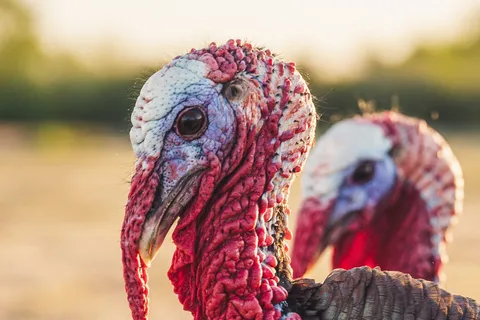
Poults, growing turkeys and adults do not share one feeding programme. Even small flocks need turkey-appropriate, stage-specific nutrition. Increasing the amount of a chicken diet does not establish suitability.
Observe access to feed and water. Containers being present does not show every young or newly arrived bird uses them. Record feeder space, feed quality and other products together.
Source: Penn State Extension — Referenced research and feeding guidance · Penn State Extension — Referenced research and feeding guidance
Ducks: Pay Attention to Vitamin B3
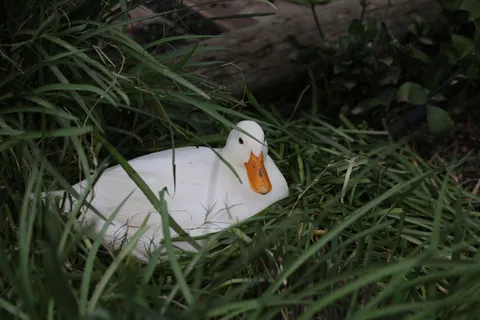
Niacin is vitamin B3. It is a particular feeding consideration for ducks, whose requirements are not the same as chickens’. Comparing only protein percentage is therefore insufficient.
Growth or movement changes in ducklings do not alone diagnose deficiency. Assess feed, composition, consumption and other possible causes. Seek species-specific veterinary guidance instead of guessing amounts of human niacin products.
Source: Penn State Extension — Referenced research and feeding guidance · Merck Veterinary Manual — Bird nutrition reference
Geese: Grazing, Feed and Life Stage
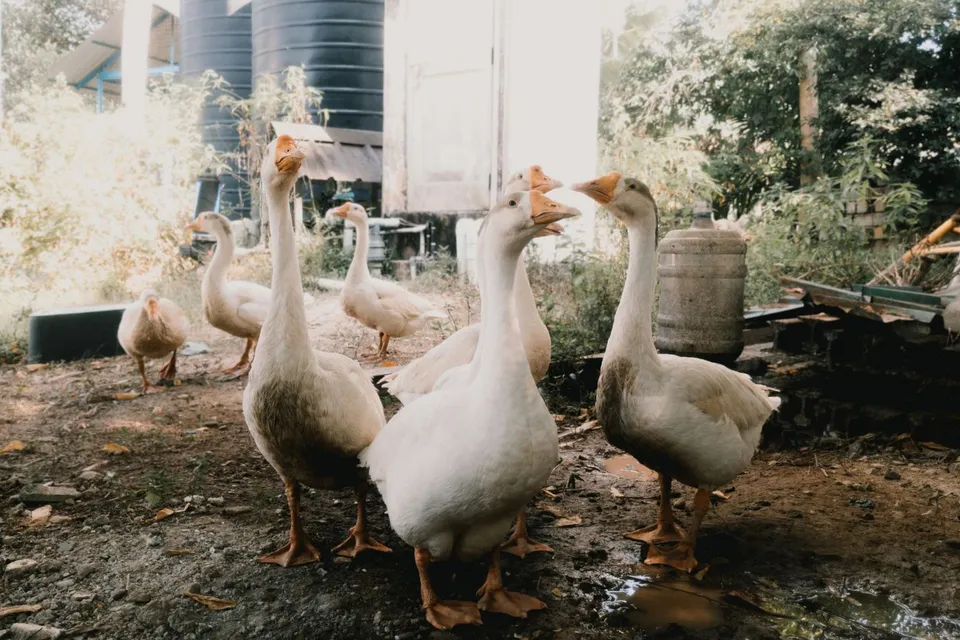
Geese can use fibrous plant foods, and grazing can contribute substantially to their diet. Yet pasture access alone does not establish balanced intake for every young or breeding goose.
Consider pasture quality, life stage and supplementary feed together. Review the rest of the diet when grass availability changes. Do not scale a turkey or duck support plan solely by body size.
Source: Extension — Referenced research and feeding guidance
A Practical Species Comparison
The table highlights points to assess separately. It is not a recipe for complete feed, dosage or product use.
| Species | Key consideration | Avoid assuming |
|---|---|---|
| Turkey | Stage-appropriate feed and access | A larger bird simply needs more chicken feed. |
| Duck | Species-appropriate vitamins, including B3 | All poultry feeds have the same profile. |
| Goose | Pasture quality, age and supplementary feed | Grazing covers every need at every stage. |
Source: Penn State Extension — Referenced research and feeding guidance · Penn State Extension — Referenced research and feeding guidance · Extension — Referenced research and feeding guidance · Merck Veterinary Manual — Bird nutrition reference
Vitamin Support and Daily Monitoring
Complete feed is designed for the overall diet, including vitamins and minerals. Unnecessary additions may alter its balance. Check overlapping ingredients when using several bottles or mixtures.
Record feed and water intake, dietary changes and supplements. For water-based products, actual intake matters and varies with temperature and care conditions. Do not invent a universal ml amount or drop count beyond the label. Discuss significant intake or condition changes with a veterinarian.
Source: Merck Veterinary Manual — Bird nutrition reference · Merck Veterinary Manual — Bird nutrition reference
Frequently Asked Questions
Can turkeys, ducks and geese use the same vitamin amount?
Do not assume the same amount. Assess species, stage, feed and product concentration.
Is chicken feed enough for turkeys?
Turkey life-stage needs differ. Check suitability for turkeys and their age.
Why is B3 discussed separately for ducks?
Their niacin requirements differ from chickens’. Consider this within the whole nutrient profile.
Does changed walking in a duck mean deficiency?
Not by itself. Other causes are possible and examination is needed.
Do grazing geese need supplementary feed?
It depends on age, production stage and pasture quality. Grazing alone does not establish balance.
Should complete-fed flocks routinely receive vitamins?
Not automatically. Assess additional need from the current feed and actual consumption.
Can I use human vitamins?
Concentrations and ingredients differ. Do not guess amounts; seek veterinary advice with species and feed details.
How is the amount for vitamin water determined?
Consider the label, species, life stage and actual intake. There is no universal ml amount or drop count.
References
- Penn State Extension — Referenced research and feeding guidance
- Penn State Extension — Referenced research and feeding guidance
- Extension — Referenced research and feeding guidance
- Merck Veterinary Manual — Bird nutrition reference
- Merck Veterinary Manual — Bird nutrition reference
Sources checked: 17 November 2026. General nutritional information. Assess supplementation with a veterinarian according to the bird’s needs.
More Nutrition Guides
Turkeys nutrition
The Importance of Probiotics for Turkeys
A source-based guide to gut flora, digestive support and probiotic research for turkeys, with practical checks and frequently asked questions.
Ducks nutrition
The Importance of Probiotics for Ducks
A source-based guide to gut flora, digestive support and probiotic research for ducks, with practical checks and frequently asked questions.